
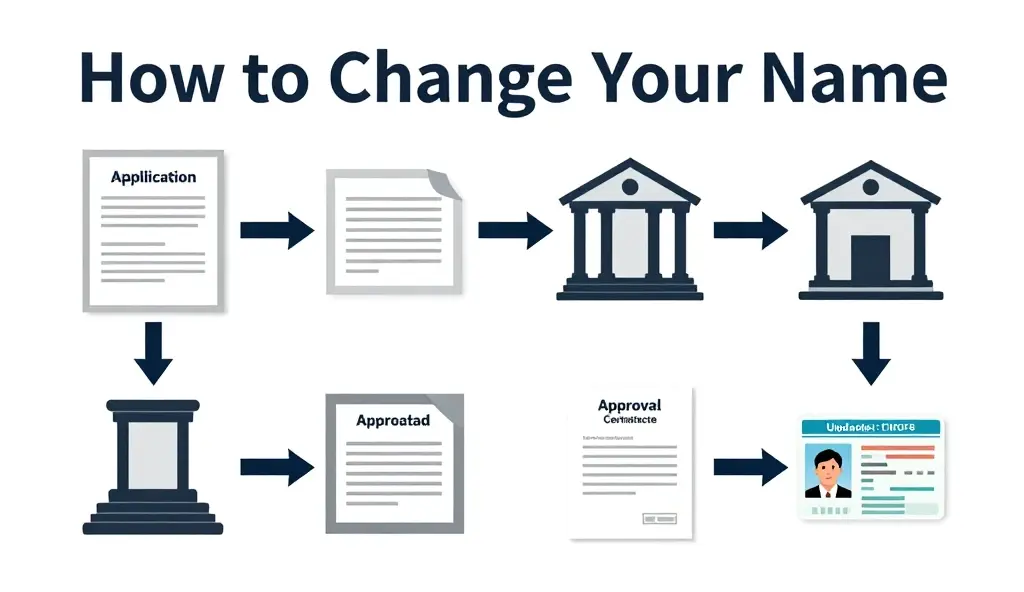
Changing your name is a personal decision that can mark a new chapter in your life.
People change their names for many reasons, including marriage, divorce, adoption, gender affirmation, religious reasons, personal preference, or simply wanting a name that feels more like themselves.
Here’s the thing… changing your name involves more than just choosing a new one.
In most cases, you’ll need to complete legal paperwork and update your identification and personal records.
The process may seem overwhelming at first, but breaking it down into steps makes it much easier.
This guide explains how to legally change your name in the United States, what documents you’ll need, and what to do after your new name becomes official.
Why People Change Their Names

People choose to change their names for many different reasons.
- 💍 Marriage
- 💔 Divorce
- 👶 Adoption
- 🌈 Gender affirmation
- ✝️ Religious reasons
- 🌍 Cultural reasons
- ❤️ Personal preference
- 👨👩👧 Family reasons
- 🖋️ Correcting a spelling mistake
- 🎭 Professional or stage name
- 📜 Honoring family heritage
- 🧸 Creating a fresh start
- 🌟 Simplifying pronunciation
- 🏆 Building a personal brand
- 📚 Reclaiming a birth name
- ✨ Feeling more comfortable with your identity
Step 1: Decide on Your New Name
Before starting the legal process:
- 📝 Choose your desired name carefully.
- 🔍 Check the spelling.
- 📖 Think about how it sounds.
- ✍️ Practice writing it.
- 💼 Consider professional use.
- 🌍 Consider cultural significance.
- 📱 Check social media availability.
- 🎯 Make sure you’re comfortable using it long-term.
Step 2: Understand Your State’s Requirements
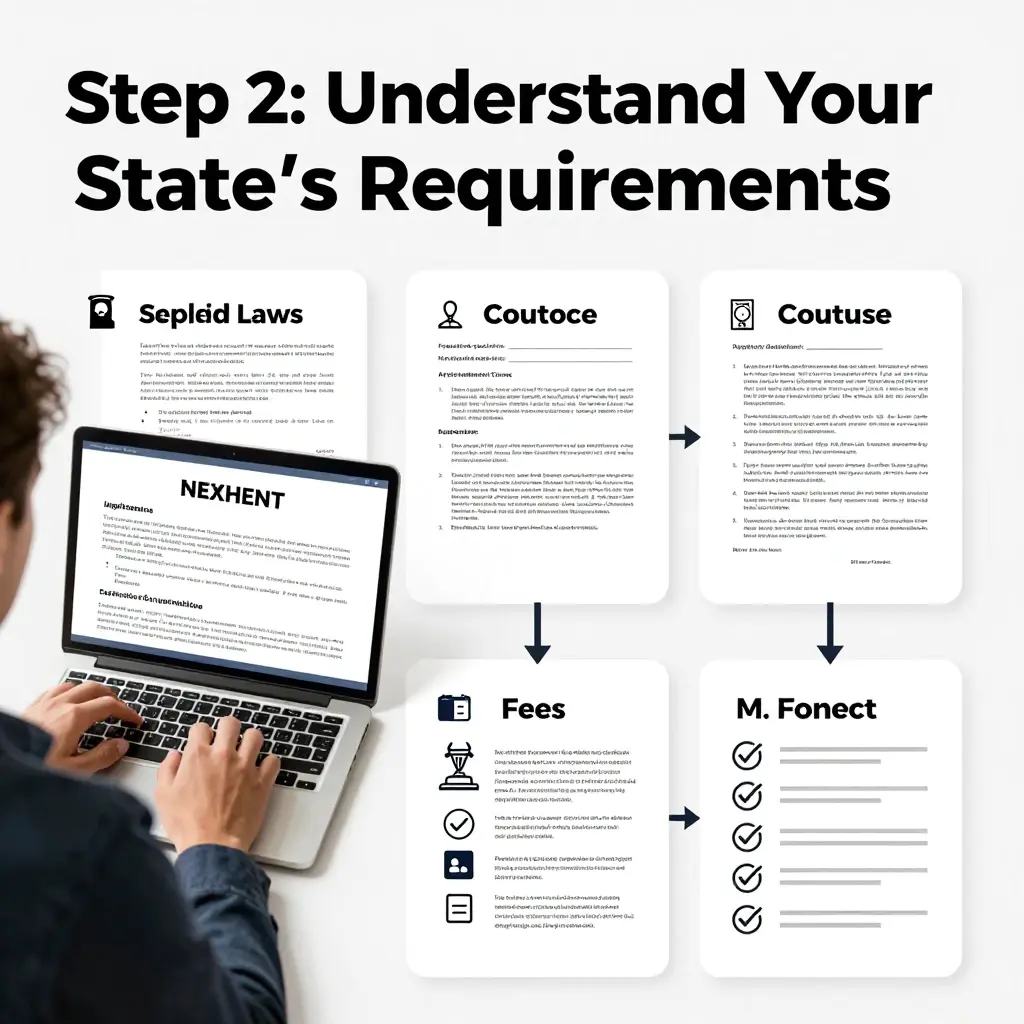
Name change laws differ by state.
Some states may require:
- 📄 A court petition
- 💵 Filing fees
- 📰 Newspaper publication
- 👨⚖️ Court hearing
- 🪪 Identification documents
- 📑 Certified copies of records
- 📬 Additional forms
Always check your local court’s requirements before starting.
Step 3: Complete the Name Change Petition
You’ll usually need to:
- 📄 Fill out official forms
- ✍️ Provide your current legal name
- 👤 Enter your new requested name
- 🏠 Include your address
- 🎂 Provide your date of birth
- 📋 State your reason for the name change
- 🖊️ Sign the paperwork
Be sure all information is accurate.
Step 4: File Your Forms With the Court

After completing the forms:
- 🏛️ Submit them to the appropriate court
- 💵 Pay the filing fee
- 📑 Request stamped copies
- 📅 Receive a hearing date if required
- 📬 Follow any additional instructions
Court filing fees vary by state.
Step 5: Publish Notice if Required
Some states require public notice of a name change.
This may involve:
- 📰 Publishing a legal notice in a newspaper
- 📄 Providing proof of publication
- 📅 Waiting a specific period
- 📑 Filing the proof with the court
Many states provide exceptions for certain situations.
Step 6: Attend Your Court Hearing

If your state requires a hearing:
- 👨⚖️ Arrive on time
- 🪪 Bring identification
- 📄 Bring required documents
- ✍️ Answer questions honestly
- 📑 Present proof if requested
- 😊 Remain respectful and professional
If approved, the judge will issue a court order.
Step 7: Obtain Certified Copies
After approval:
- 📄 Request certified copies of your court order.
- 📑 Keep multiple copies.
- 🗂️ Store them safely.
- ✨ You’ll need them to update records.
Step 8: Update Your Government Identification
Once your name change is official, update:
- 🪪 Driver’s license
- 🛂 Passport
- 📝 Social Security records
- 🗳️ Voter registration
- 🚗 Vehicle title and registration
- 📄 State identification card
Step 9: Update Financial and Personal Records
Next, update:
- 🏦 Bank accounts
- 💳 Credit cards
- 💼 Employer records
- 🩺 Insurance policies
- 📱 Utility accounts
- 🏠 Property records
- 📚 Educational records
- ✈️ Travel accounts
- 📦 Subscription services
- 💻 Online accounts
Documents You May Need
Prepare these documents:
- 🪪 Government-issued ID
- 📄 Birth certificate
- 🏠 Proof of address
- 📑 Court forms
- 💍 Marriage certificate (if applicable)
- 💔 Divorce decree (if applicable)
- 📋 Additional supporting documents
Requirements vary by state and circumstance.
Common Mistakes to Avoid
- ❌ Misspelling your new name
- ❌ Forgetting required documents
- ❌ Missing deadlines
- ❌ Not ordering certified copies
- ❌ Forgetting to update important accounts
- ❌ Not researching state requirements
- ❌ Rushing your decision
FAQs:
1: How long does it take to change your name?
A: It can take several weeks to several months depending on your state and circumstances.
2: Do I need a lawyer?
A: Not usually. Many people complete the process without an attorney.
3: Can I change my name after marriage?
A: Yes. Many people change their names after getting married.
4: Can I return to my previous name after divorce?
A: In many cases, yes.
5: Do all states require a court hearing?
A: No. Requirements vary by state.
6: Will I need to update my passport?
A: Usually yes, if you have a passport in your previous name.
7: Do I have to update my bank account?
A: Yes. It’s important to keep financial records accurate.
8: Can I choose any name I want?
A: Generally, yes, but states may have restrictions against fraudulent or misleading names.
Conclusion:
Learning how to change your name is the first step toward making a meaningful life change.
if you’re changing your name because of marriage, divorce, personal preference, or another reason, the process generally involves filing legal paperwork, receiving approval, and updating your records.
Take your time, understand your state’s requirements, and keep organized copies of your documents.
With proper planning, changing your name can be a smooth and rewarding experience.

Harper Collins is a professional creative writer from Boston, USA, specializing in unique baby names, stylish nicknames, and modern branding inspiration for online audiences.